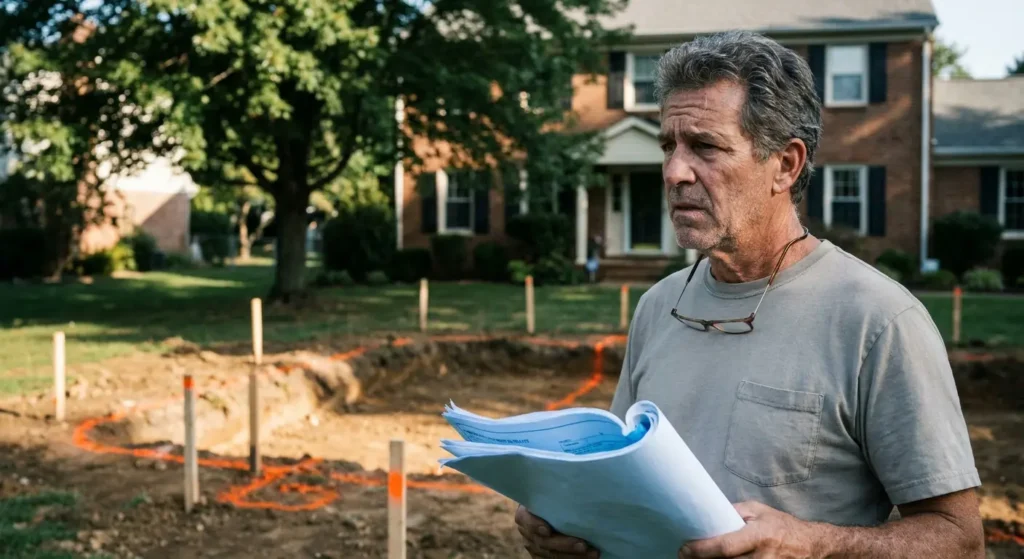
An excavation permit Connecticut homeowners actually need depends on what you’re digging, where you’re digging, and which town you’re in. There’s no single statewide answer, and that trips a lot of people up before the first shovel hits the ground.
We get this call all the time in Litchfield County. Someone wants a new foundation, a retaining wall, a drainage fix, or a driveway extension, and they’re not sure if they need paperwork before they start. The short version: for most real excavation work, yes. But the details matter, and the details are set by your town, not the state.
Here’s a plain-language guide to what usually needs a permit, what usually doesn’t, and how to figure out where your specific project lands. This is general guidance, not legal advice. Always confirm with your local building or wetlands office before you dig.
When You Typically Need an Excavation Permit in Connecticut
Connecticut hands most permitting authority to individual towns. Torrington, Litchfield, New Milford, Watertown, and every other town in the county each run their own building department and their own inland wetlands commission. So while the general categories below usually require permits somewhere, the exact thresholds and forms are local.
These are the situations where an excavation permit Connecticut projects typically require at the town level:
Foundations and Footings
New home construction, additions, detached garages, and most permanent structures need a building permit. That building permit covers the excavation tied to the foundation. You can’t dig a foundation legally without it, and the town will inspect the footings before concrete goes in.
Grading and Earthwork That Changes Drainage
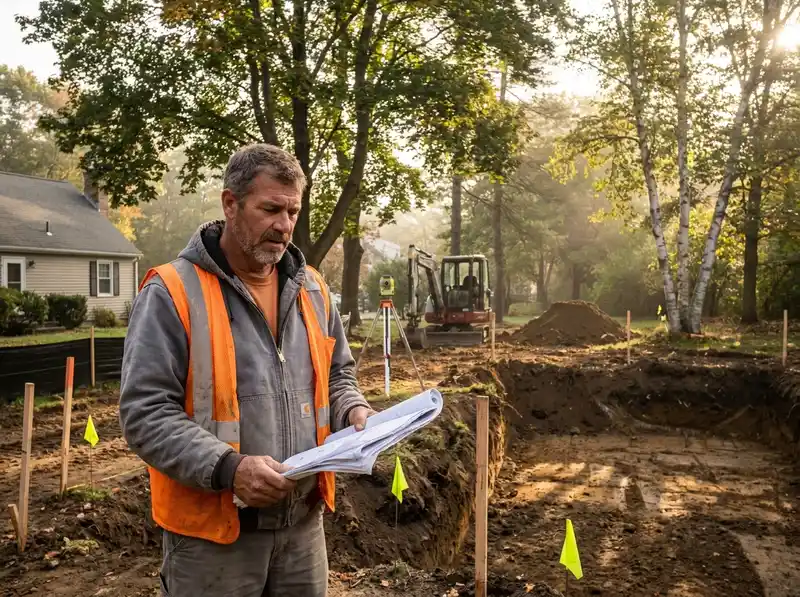
Regrading a lot, filling in a low spot, or moving significant volumes of soil often needs a permit, especially if the work affects how water flows on or off your property. Some towns have specific soil-erosion and sediment-control requirements once you disturb over a certain area, commonly a half-acre or an acre.
Utilities: Water, Sewer, Electric, Gas
Any excavation to install, replace, or remove underground utilities typically needs a permit from the town or the utility itself. Sewer connections almost always require sign-off from the local health district or WPCA. Water line work often needs a plumbing permit.
Driveways and Curb Cuts
Cutting a new driveway or expanding an existing one usually needs a driveway permit from the town, and if your driveway meets a state road, you’ll also need approval from the Connecticut Department of Transportation. That’s a separate application with its own review.
Retaining Walls Over a Certain Height
Retaining walls over four feet typically need a building permit and an engineered design. Some towns set the threshold lower. A short garden wall probably doesn’t need paperwork, but a real structural retaining wall almost always does.
Anything Near Wetlands or a Watercourse
This is the one that catches homeowners off guard. Connecticut takes inland wetlands seriously. If your project is within a regulated setback of a wetland, stream, pond, or vernal pool (commonly 100 feet, but towns can set their own upland review area), you likely need a permit from the local inland wetlands commission before any excavation, grading, or land clearing.

You don’t have to be digging in the water. Just being close counts. Litchfield County has a lot of wet ground, and we’ve seen projects held up for months because the wetlands step got skipped.
What Usually Doesn’t Need a Permit
Not every scoop of dirt needs paperwork. Routine maintenance and small residential work often falls under the radar:
- Planting shrubs, small trees, or garden beds
- Minor landscaping and mulch work
- Small decorative garden walls under most town thresholds
- Repairing an existing driveway surface without expanding it
- Simple lawn regrading that doesn’t alter drainage patterns
The rule of thumb: if you’re changing the shape of the land, touching utilities, building a structure, or working near water, assume you need a permit and confirm with the town. If you’re doing routine yard work, you’re probably fine.
Call Before You Dig: CBYD 811 Is Not Optional
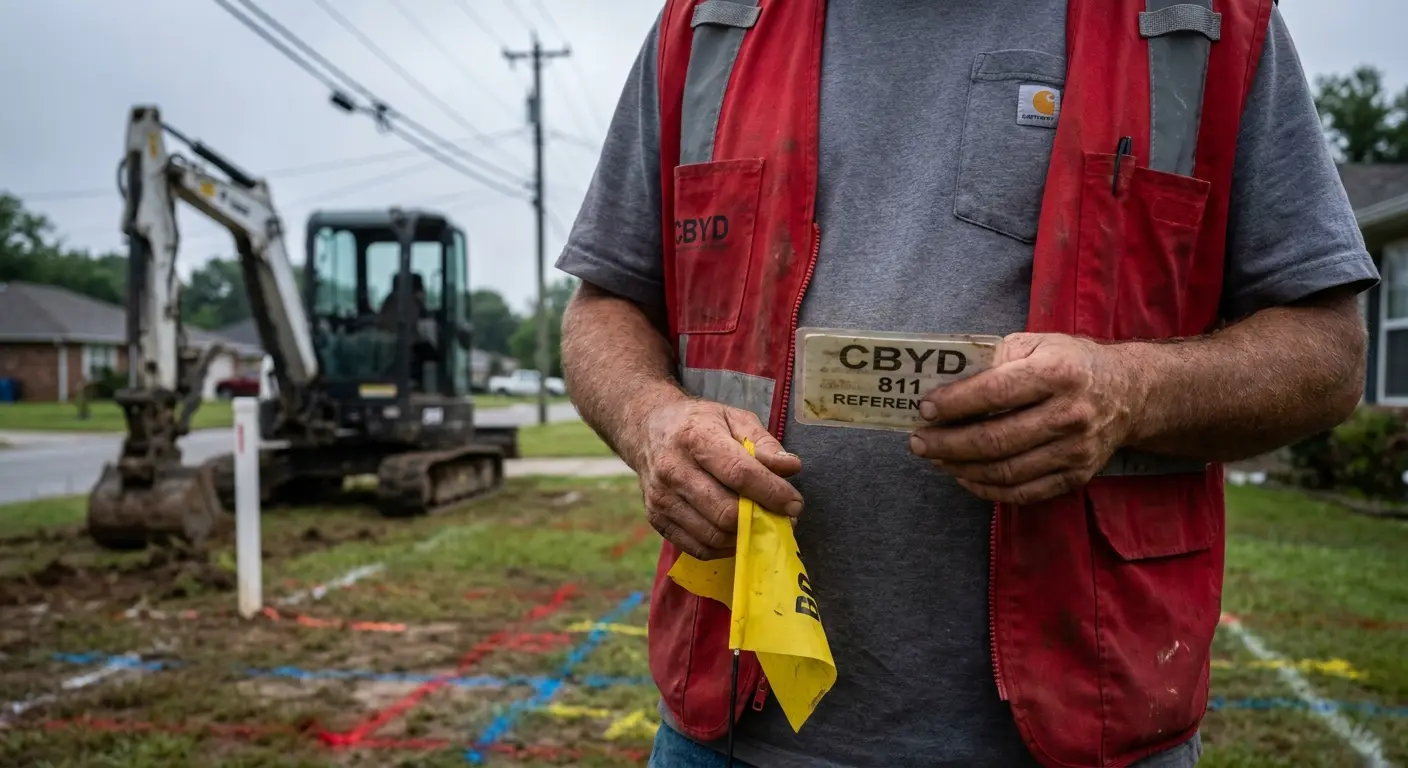
Separate from town permits, Connecticut law requires you to notify Call Before You Dig at least two full business days before any excavation. You dial 811 or file online at cbyd.com. It’s free.
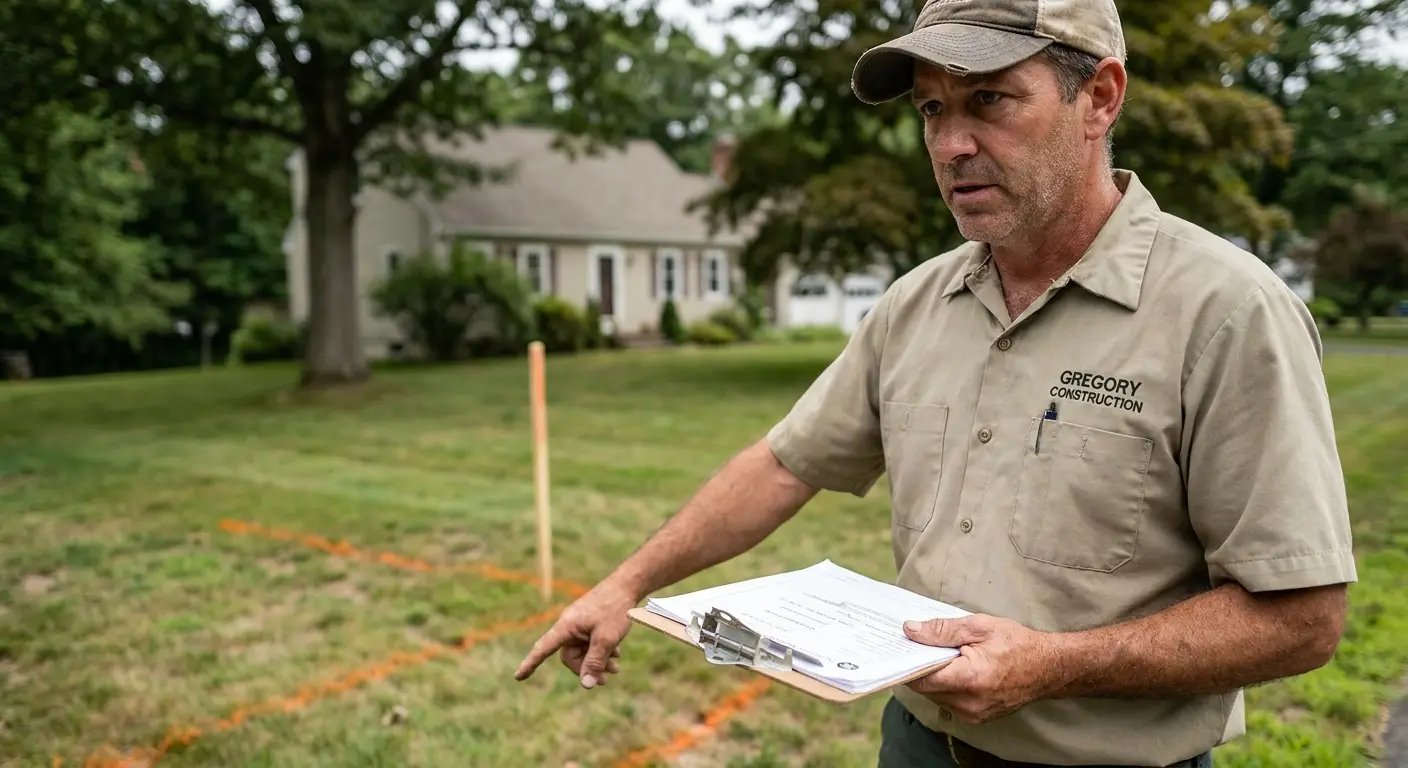
CBYD sends notices to every utility with underground infrastructure in the area, and they come out and mark their lines with spray paint and flags. Gas, electric, water, telecom, cable, everything.
Skipping this step isn’t a gray area. Hitting an unmarked line is on you if you didn’t call. Hitting a marked line and damaging it is a serious problem. Every professional excavation crew calls CBYD as standard practice, and every homeowner doing their own dig should too. You can read more about it directly on the Connecticut Call Before You Dig website.
How to Figure Out What Your Specific Project Needs
Every project is different, and every town is different. Here’s the practical path:
Step 1: Call Your Town Building Department
Tell them what you’re planning. They’ll tell you which permits apply and hand you the applications. Most Litchfield County town offices are helpful if you go in early instead of after the work has started.
Step 2: Call the Inland Wetlands Officer If You’re Near Water
If there’s any chance your project is within the wetlands review area, this is a separate call and a separate application. Don’t assume the building department will flag it for you.
Step 3: Talk to a Licensed Contractor
A contractor who works in your town knows the local rules, knows the officials, and knows what the inspections actually look at. That saves time and prevents rework.
Gregory Construction is a licensed Connecticut Home Improvement Contractor (CT HIC 0703088), fully insured, and we’ve worked in most of the towns across Litchfield County and into Fairfield County. When we quote a job, we walk through the permit picture with you so nothing gets missed. If you’d like a walkthrough of your specific site, you can request a free excavation quote and we’ll take a look.
Why Working With a Licensed Contractor Matters
Connecticut requires contractors doing home improvement work to be registered with the state. That HIC number is your protection. It means the contractor is accountable to the state’s consumer protection framework, carries insurance, and can be held to a standard if something goes sideways.
For excavation specifically, that matters more than most trades. You’re dealing with structural work, buried utilities, drainage that affects your house and your neighbors’ houses, and sometimes wetlands that carry real legal weight. A licensed, insured crew handles the permits, the CBYD call, the erosion controls, and the inspections as part of the job. An unlicensed guy with a machine doesn’t.
Our crew came up running civil site work for commercial contractors, so the standard we apply to a residential foundation or a driveway dig is the same standard used on commercial jobs. That’s not marketing. It’s just how we were trained. You can see some of our recent excavation and site work projects to get a feel for it.
Bottom Line
The excavation permit Connecticut process isn’t as scary as it sounds, but it isn’t optional either. For any real dig, foundation, utility, driveway, retaining wall, or work near wetlands, plan on paperwork. Call your town. Call CBYD. Get it right up front.
If you’re a homeowner in Litchfield County or Fairfield County and you’re not sure where your project lands, give us a call. Dean answers the phone at (860) 488-4374. We’ll tell you straight whether you need permits, help you understand which ones, and give you a free quote for the work. No pressure, no games, just an honest conversation about your project.